
by Kate Redmond
And Now for Something a little Different XXI Oaks and Hickories
Greetings, BugFans,
Back into the wonderful world of plants, in this case, of trees that are super-important to insects, as well as to other wildlife – and to us.
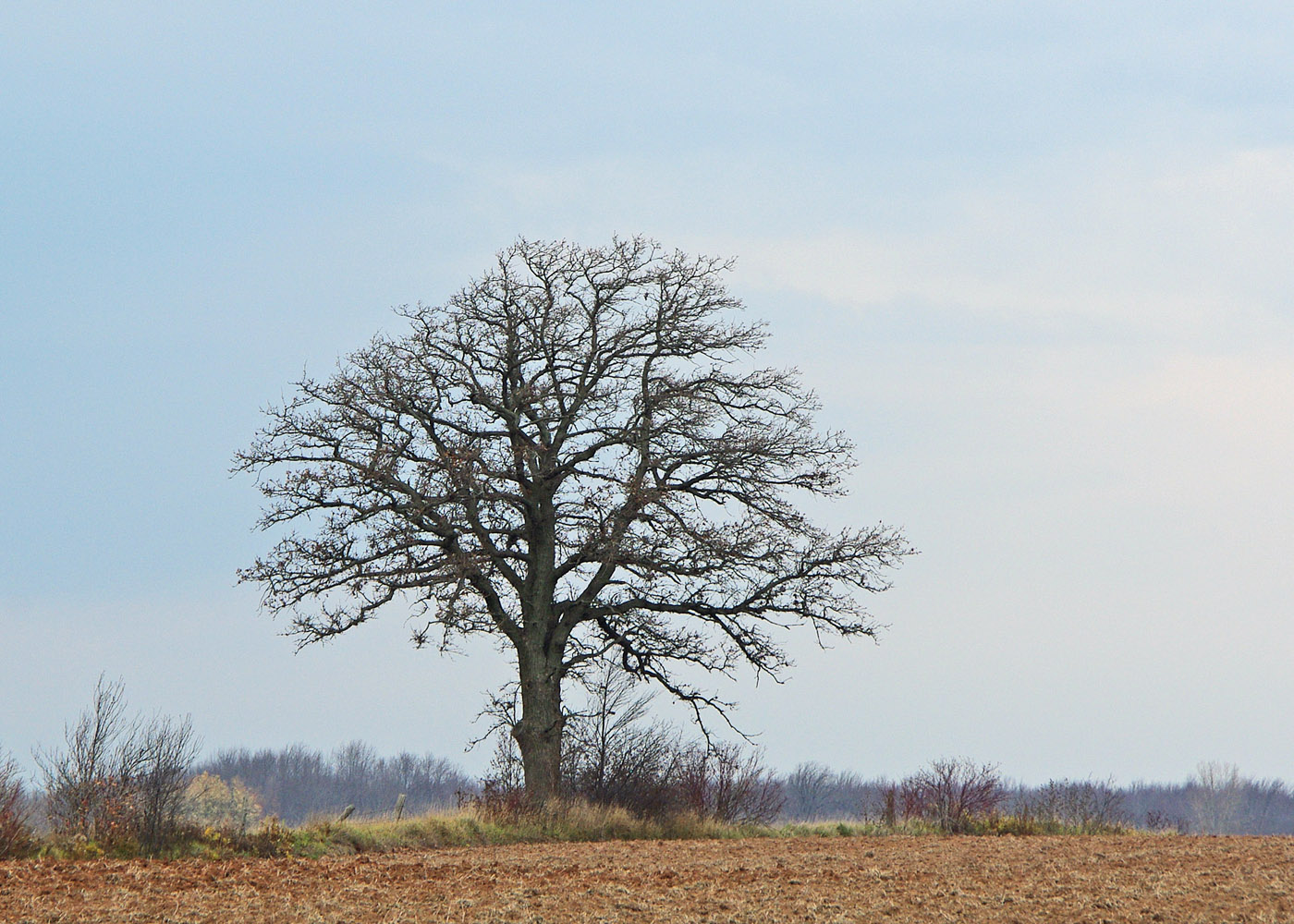
Oaks are our national tree (who knew??!!), and because of their beauty, strength, longevity, and utility, they’re packed with cultural and religious symbolism in America and throughout Europe. There are 90 species of oaks in North America (about 500 worldwide), with nine oak species native to Wisconsin. They are second only to maples in Wisconsin’s woodlands, where oaks are called a “keystone species” – a species whose presence shapes the structure of its community. If a keystone species is removed, the community changes dramatically. Hickories grow with oaks in mixed, deciduous woodlands.
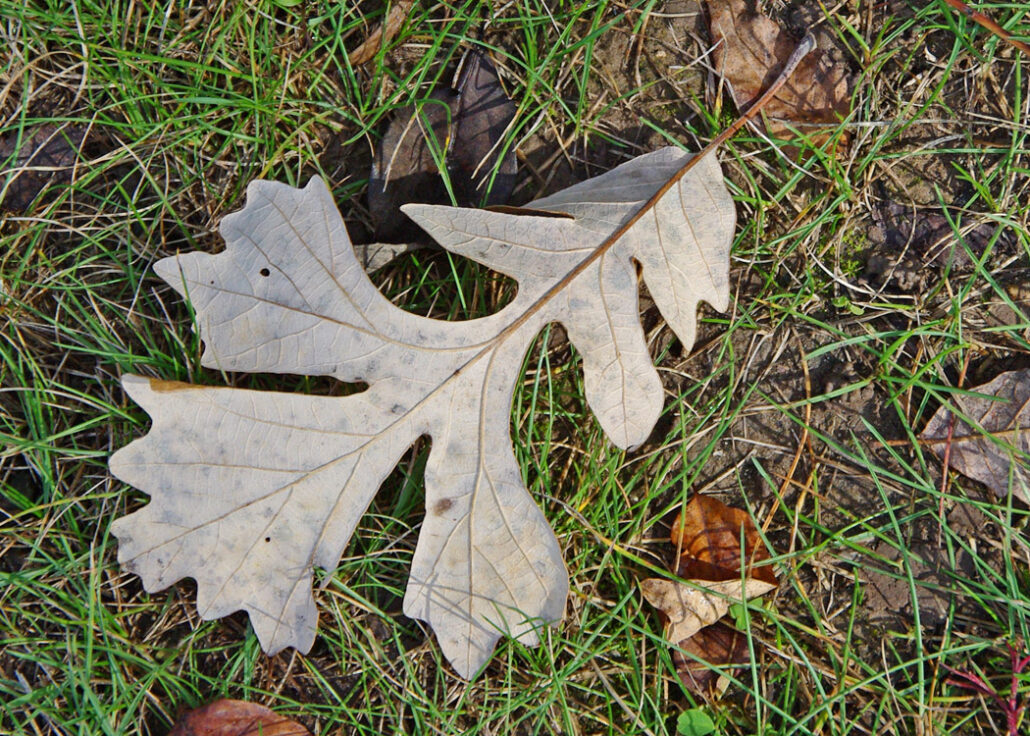
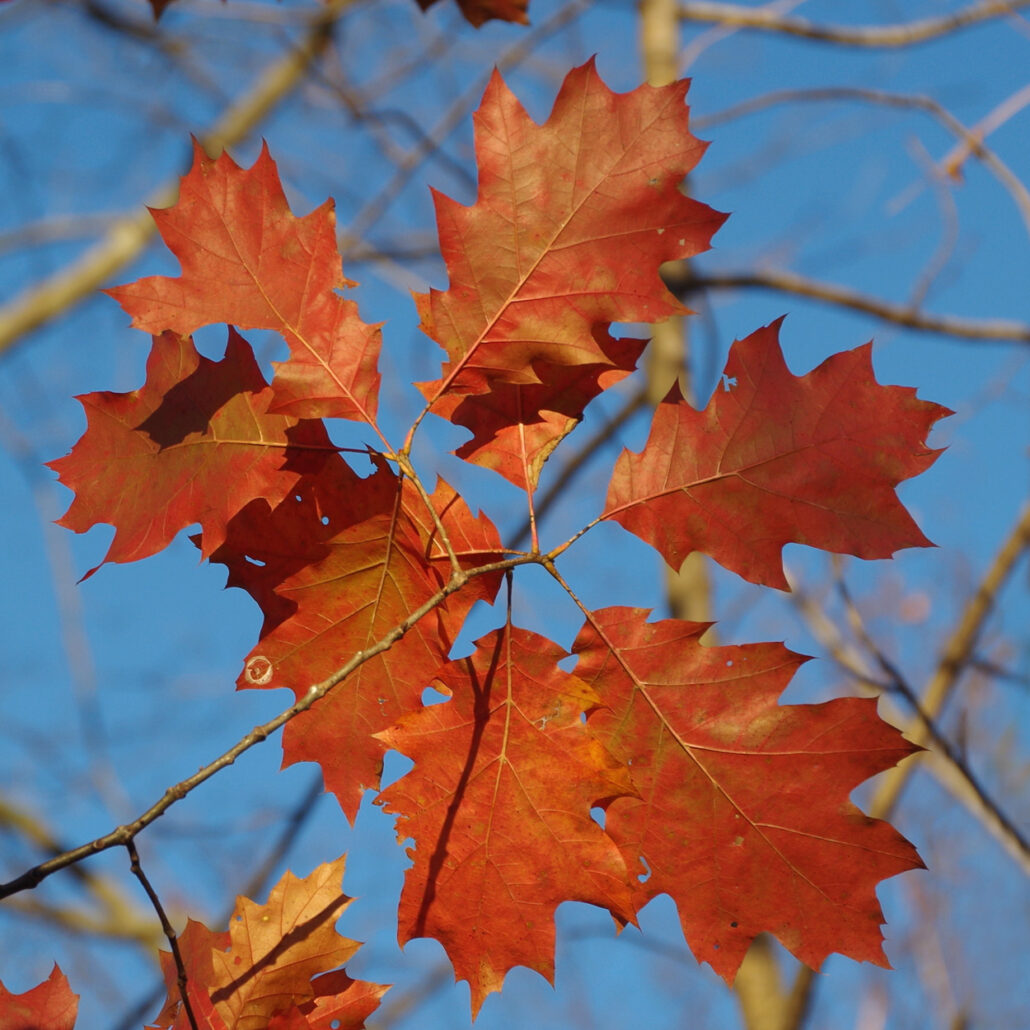
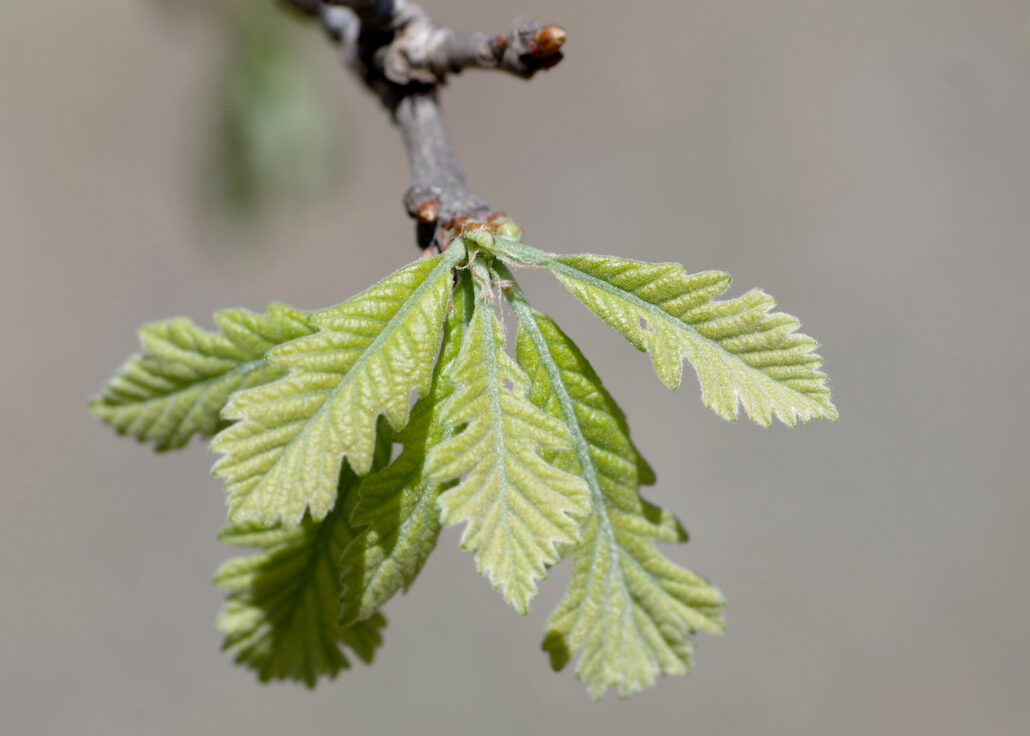
Oaks are in the Beech family, and shagbark hickory is in the Walnut family. Both have leaves, twigs, and branches that are arranged alternately; oak has simple leaves, and Shagbark hickory has large, compound leaves whose leaflets spread out like a fan. Oaks are divided into two groups that can be recognized by their leaves. Trees in the white oak group (in Wisconsin, the white, chinquapin, swamp white, and bur oaks) have leaves with rounded lobes and tips, and species in the red oak group (the black, northern red, pin, northern pin, and scarlet oaks) have pointed tips.
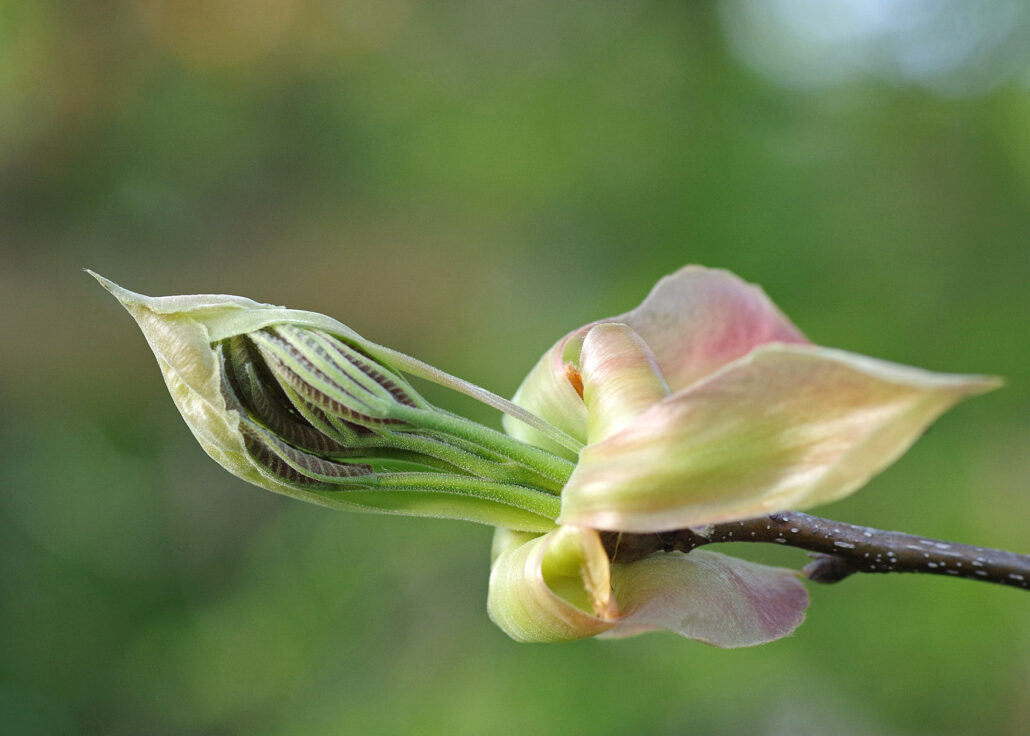
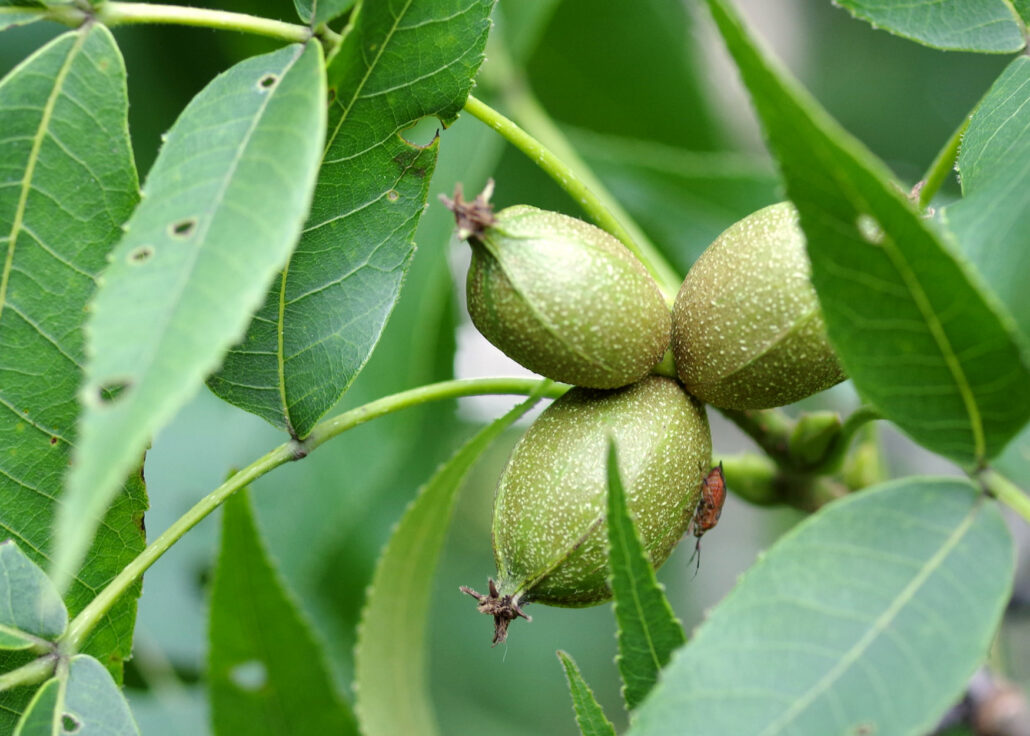
Both oak and hickory are slow-growing, sun-loving, good-looking trees that make great yard trees. Their tap roots grow down, rather than sideways through lawns, sidewalks and driveways. They tolerate weather extremes, thrive in a variety of soils, resist disease, and last a long time, and some oaks have leaves that turn a burnished red in fall.
To the British government in the 1600’s, trees, especially oak and white pine, were the frosting on the Colonial cake. English forests had been heavily logged, and timber trees had been pretty much wiped out by the 14th century, forcing England to import wood for its ship-building, furniture, and later, iron industries. America’s dense forests were ripe for logging, and oak lumber and pine trunks for ships’ masts became major American exports.
Ecologists talk about “Ecosystem services” — the benefits a plant or animal provides to other members of its community. Oak and hickory provide plenty!
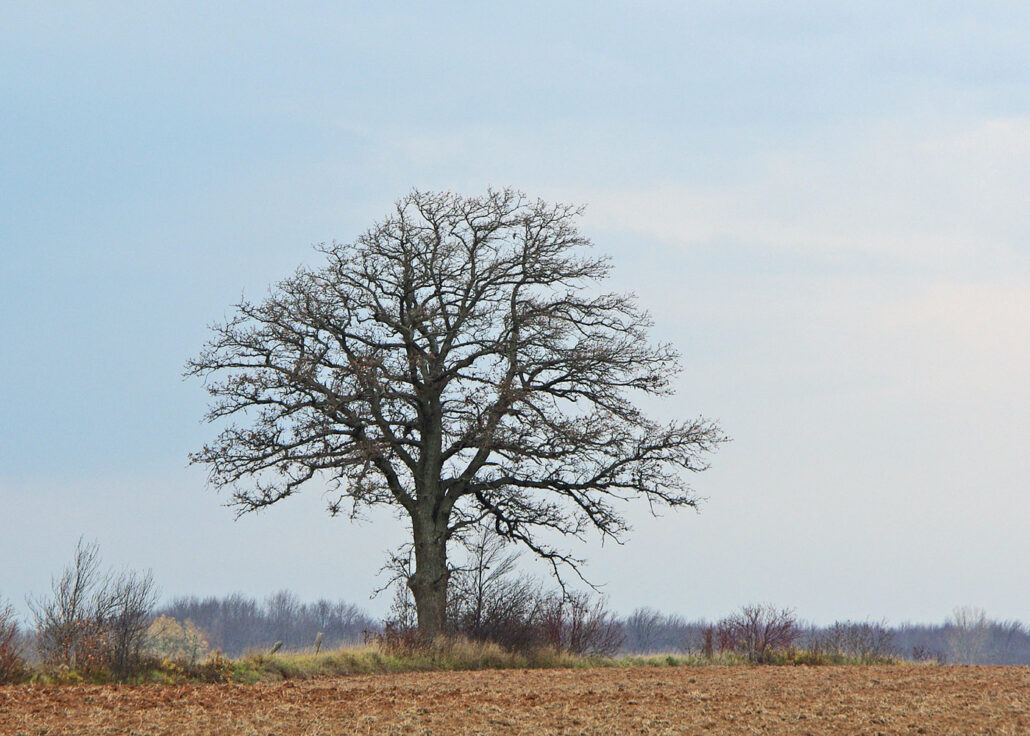
They cool the landscape (farmers used to leave an oak or hickory in the middle of the fields they cleared so that they and their livestock could rest in the shade), and their leaves absorb pollutants from the air. Data from the US Forest Service suggest that oaks sequester more carbon than any other woody group in the continental US, which helps alleviate climate change. Their leaves slow heavy rainfall, minimizing erosion.
Oaks and hickories are important plants for wildlife. According to the National Wildlife Federation, more than 100 vertebrates in the United States eat acorns, which they call “the cheeseburger of the forest ecosystem.” Oak leaves are eaten by lots of insects, too – according to Professor Doug Tallamy, caterpillars of 534 species of butterflies and moths in the Mid-Atlantic States depend on oaks for food, and some eat nothing else. The small critters that feed on oak provide food for larger ones; birds and mammals nest in its branches, and both predators and prey find shelter in their leaves and in bark crevices. Hickories are equally important.
And, of course, for millennia, oaks and hickories have provided humans with medicine, dyes, shelter, lumber, shade, and food (acorns from the white oak group can be used right away, but acorns from red/black oak mature the following spring and must be processed first). Ink was made from oak bark and galls, and large hickories can be tapped for sap like maples.
Fun Fact about Oaks: every two to five years, oaks produce an extra-large crop of acorns – it’s called a mast year. Right after a mast year, populations of acorn-eaters boom, but the next year, the acorn crop crashes. Acorn-feeders decrease again until the trees surprise them with the next bumper crop.
The strategy works because by the time the next mast year happens, there aren’t enough acorn consumers around to eat them all, so some become new trees. Weather conditions may be a factor in signaling a mast year, but the trees in a local area may communicate with each other chemically or through underground threads of fungus (mycorrhiza) to synchronize their timing. Other kinds of trees, like hickories and maples, also have mast years. The summer of 2012 was very hot and dry, and in 2013, a number of species responded by producing a bumper crop of seeds. The mast year picture, taken in 2014, shows the forest floor the next summer, carpeted with thousands of maple seedlings.
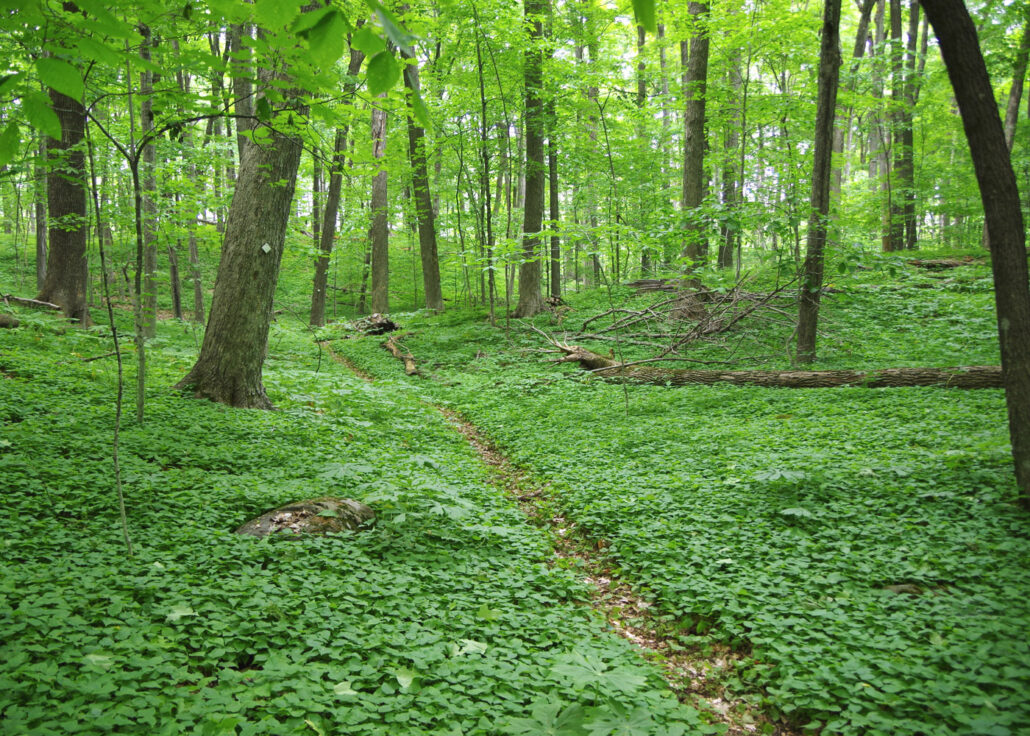
There’s an acorn mast year/white-footed mouse population/Lyme disease connection.
Another Fun Fact about Oaks: Many years ago, the BugLady read Bill Bryson’s A Walk in the Woods, the story of his adventures on the Appalachian Trail. In one chapter, he talked about how, when oak leaves are under attack by Spongy (Gypsy) moths, the trees will send out stress chemicals that oaks downwind can “read” and react to by upping the tannin content of their own leaves, making them less palatable to the advancing caterpillars! She contacted her “Go-to botanist,” who confirmed what was then an emerging field of study (thanks, Jim). The BugLady was in school back in the day of the dinosaur, when part of the definition of a plant was that it had no “nervous system” and so could not respond to stimuli.
The BugLady originally wrote this for the newsletter of the Lake Michigan Bird Observatory.
It’s National Moth Week!
Kate Redmond, The BugLady
Bug of the Week archives:
http://uwm.edu/field-station/category/bug-of-the-week/